

The Power of Uncovering Unspoken Truths in Families and Teams
 As we leave Halloween behind and start preparing for Thanksgiving, I find myself reflecting on family dynamic’s—and on how they parallel the dynamics within professional teams. Over the past two weeks, I’ve been re-immersed in the “6 Conditions of a Team” as part of my Level 2 TDS training. The training has been refreshingly experiential, with regular team assignments to complete under tight deadlines. These shared challenges quickly bring genuine team dynamics and ingrained habits to the surface, pushing us to deliver under pressure. Even though we’re all experienced facilitators and coaches, we still rely on humor and transparency to navigate the bumps that arise.
The Team Diagnostic Survey (TDS) is a well-validated tool designed to diagnose the strengths and weaknesses of teams. Developed by Drs. Ruth Wageman, Richard Hackman, Erin Lehman, and colleagues at Harvard and other institutions, this assessment identifies six critical conditions that are key to team success and predict up to 80% of a team’s overall effectiveness. These include three Essential Conditions—having a Real Team, a Compelling Purpose, and the Right People—along with three Enablers: Work Design, Organizational Support, and Team Coaching. When these six conditions are met, three core team behaviors—Fostering Effort, Crafting Strategies, and Leveraging Talent—naturally emerge, driving meaningful results. Teams that meet these criteria are more likely to satisfy stakeholder needs, foster collective growth, and promote the learning and well-being of each team member.
Through this training, I’ve become even more attuned to how these six conditions and team behaviors relate to unspoken dynamics. In both family and professional settings, unaddressed frustrations or assumptions can disrupt these essential conditions. This is especially evident in my own family. Despite living far from my siblings, when we come together—especially around sensitive topics like our parents’ health—we often slip into familiar roles. One sibling might jump to bold solutions, another may sidestep the issue, and I often take on the mediator role. But underneath these roles lie unspoken frustrations that can become invisible barriers to true collaboration.
In my work with professional teams, I use a powerful technique called the “Dead Dog” or “Unspoken Behaviors” exercise, introduced to me by John Leary-Joyce at the Academy of Executive Coaching. This exercise is designed to safely bring hidden thoughts and assumptions to the surface—especially the behaviors that team members might typically avoid addressing.
The exercise works as follows:
- List Unspoken Concerns: Each team member anonymously writes down an issue they feel impacts team dynamics, focusing on behaviors rather than individuals.
- Share Anonymously: Team members take turns reading each issue aloud as if it were their own.
- Vote & Discuss: After voting on the top issues, the team openly discusses these points and considers new norms.
This exercise has helped many teams I’ve coached to face hidden frustrations directly, creating practical norms for better collaboration. However, timing is crucial; one team I worked with delayed their follow-up discussion, which caused them to lose momentum and impact.
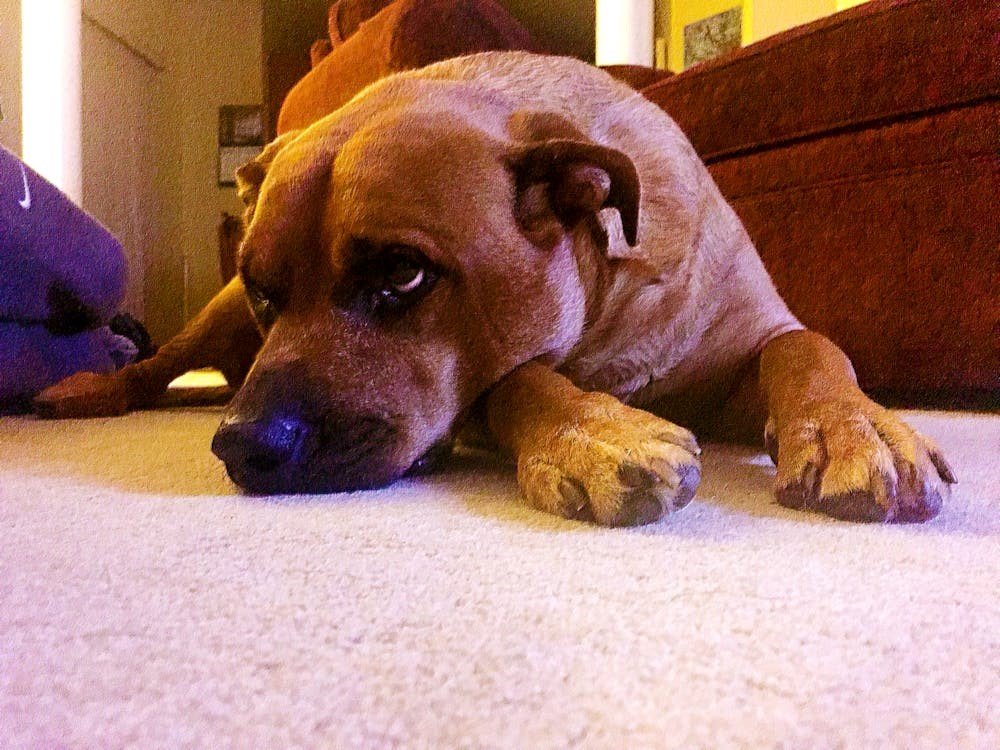
With Thanksgiving and Christmas approaching, consider the unspoken truths in your own family—and perhaps even more importantly, within your teams. Sometimes, it’s worthwhile to awaken sleeping dogs and bring those hidden dynamics to light.
I can’t promise you that I’ll fix your family dynamics by magic, but if you’re interested in improving your team effectiveness through team coaching, let’s get in touch.
Thank you for reading this blog. I welcome the ideas and topics that you would like to see in the future editions. You can send me a message here or write to me at steliana@mothersasleaders.com.
And if you have not yet subscribed to my email newsletter you can do so here-
https://mailchi.mp/4246b84db22d/a-positive-letter-from-steliana-17604839
Keep well,
Steliana