
It is the end of April. The birds are chirping away, and romance is in the air. April should not be a month for conflicts and still combat has been in the air. Literally. From the war in Iran to disagreements between family members, everyone is trying to be right, including myself at times.
My mentor often asks: What is life, knocking at your door, asking you to do right now? My answer today is to write about outstanding connection during conflictual events.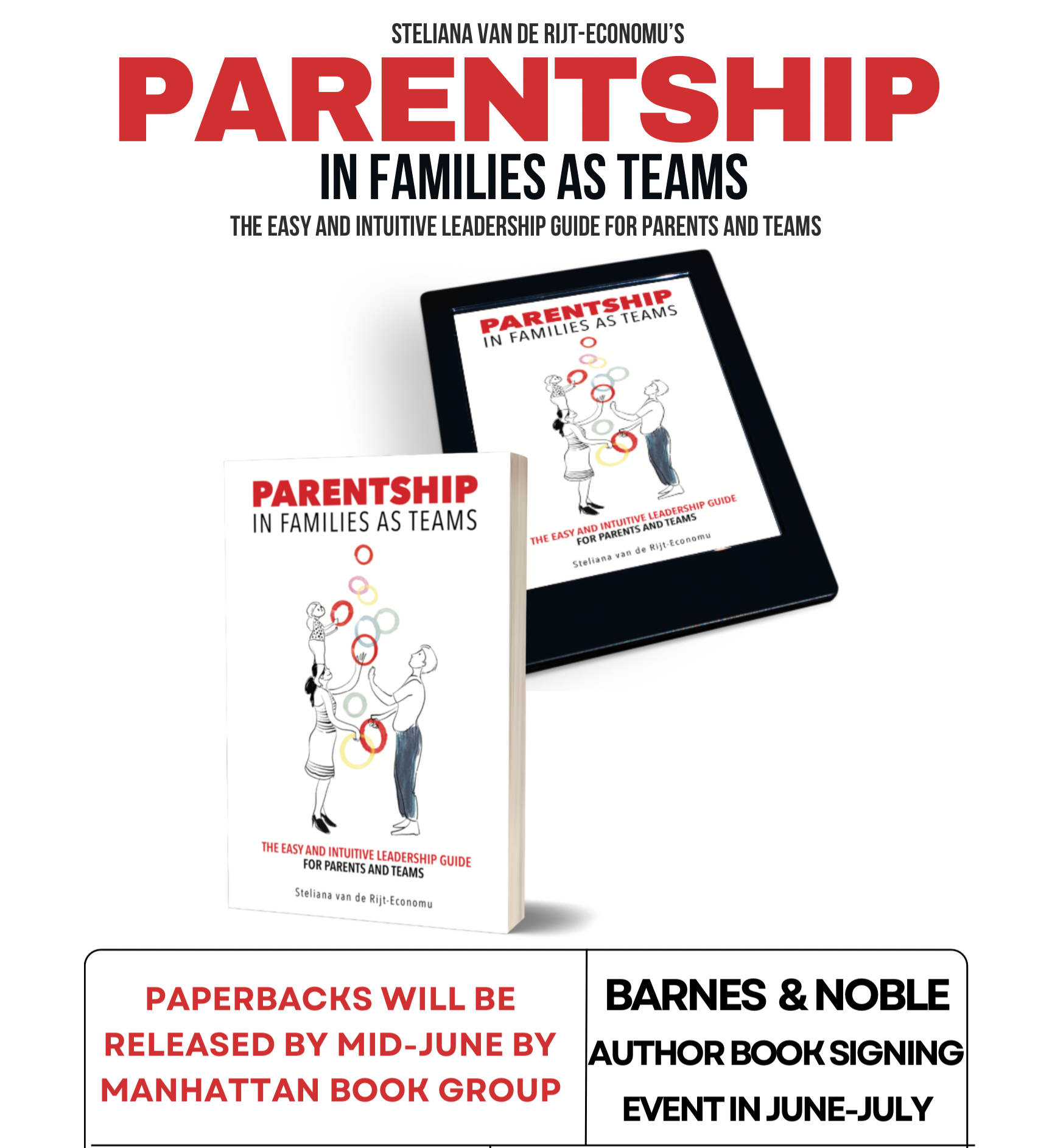
During my last trip to Romania, I hit a wall in a personal relationship. I tried to ‘save’ a person dear to my heart by standing up for her and asserting some personal boundaries. I was right, from a rational point of view but my affection and sense of justice clouded my judgment, and I stepped in to “save” someone who didn’t actually need saving. I slipped out of my coaching presence and into a rescuer role. The result? A mess that still hasn’t been cleaned up.
Even if I was right, I needed to trust that the ‘victim’ was not really a victim and she had the power to stand up for herself. The best place to start is yourself’ will say the purist. The reality is that by blaming and judging yourself or the other party, you could never get unstuck. Instead of locating the ‘problem’ in yourself or the ‘other person’ or the ‘group’ try to shift the visual field and your mindset. What if the problem is not located within yourself, or other, what if the problem is located in the connection.
Outstanding connection within a team, group or family can be likened to a beautiful mountain river teeming with colorful fish. The river water symbolizes the interpersonal relations, the currents are the communication styles, and the fishes are the different level of emotional intelligence each member has. Some fish can swim faster with the current, while others may struggle. In the end, it is the water that keeps them alive.
Emotional intelligence is the ability to manage your own emotions and understand the emotions of those around you. There are five basic elements: self-awareness, self-regulations, motivations, empathy and socials skills. If in doubt, start with Empathy.
One tip, included in my latest book ‘Parentship in Families as Teams’: Learn to Understand Yourself.
When you get stuck in a conflictual situation and you can’t continue the dialogue without giving up
on your aspirations and needs, find out where the disconnect lies. Ask yourself,
1. Were you, or the other person struggling with the ability to listen?
2. Was your or the other person’s idea of self being threatened?
3. Are either of you incapable of coping with angry feelings?
4. Are either of you struggling with the clarity of emotional expression?
5. Are either of you struggling with the capacity for self-disclosure?
You can always shift the connection, even a small inch can make a difference in the big scheme of things. The universe will do the rest.
Small call to action: Consider one relation you want to improve right now and think about:
Why is it important to you to improve that relation?
What external factors are impacting your current connection?
What is in your area of control and what isn’t?
Warm regards, Steliana
**************************************************************************************
If you liked the article and would like to understand how to become better in conflict resolution and the emotional toll that comes with it, you might find the ‘Parentship in Families as Teams’ helpful. And if the conflict is impacting your team performance, you might need a systemic team coach. A discovery call might bring some awareness.