
What is the best team you’ve ever worked in? What is the worst team you’ve ever worked in? These are the two questions I ask every new team I work with—whether it’s a senior global leadership team in the energy sector or a college students’ team. And the answers? They’re surprisingly similar.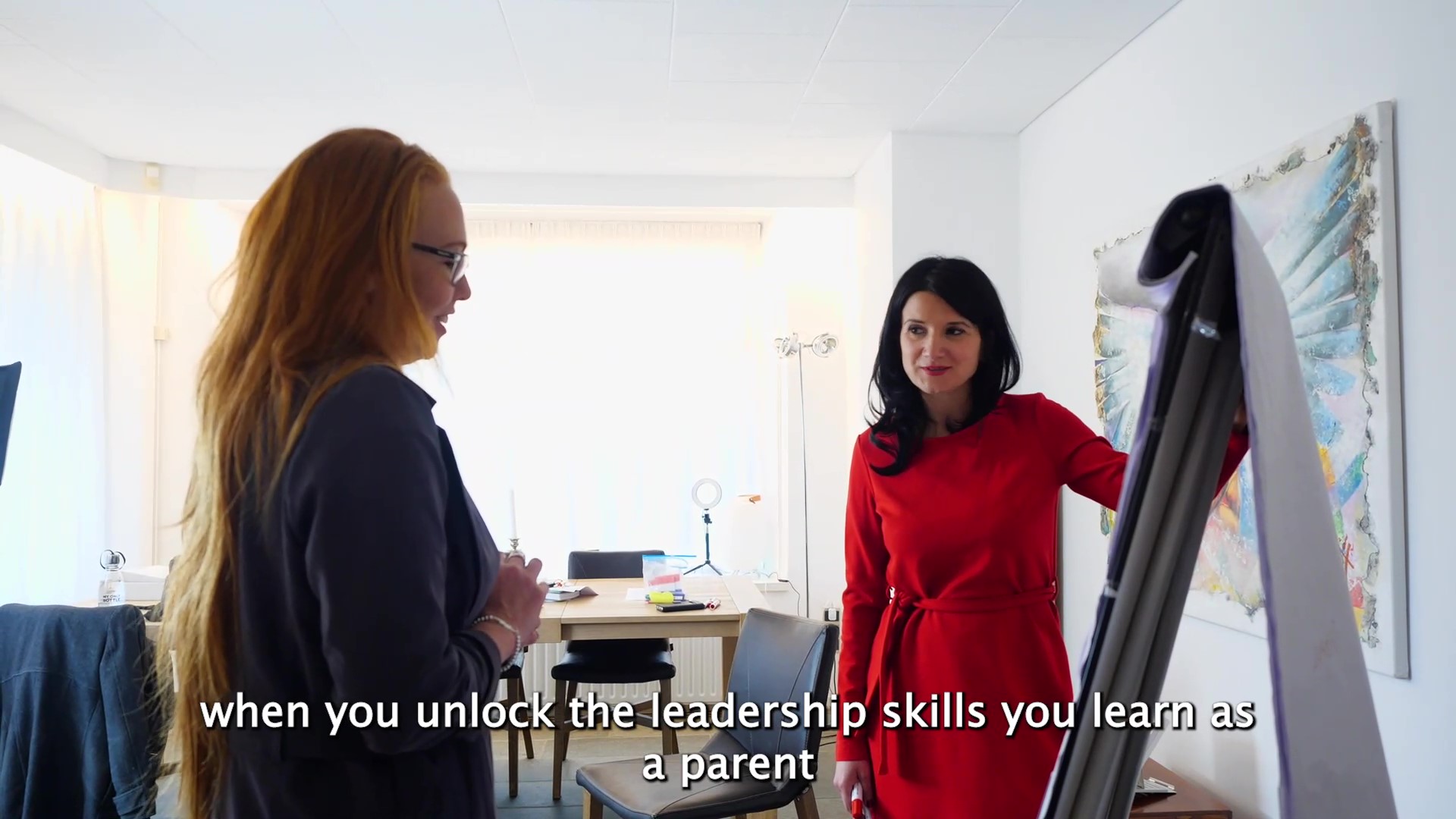 When people describe their best team, they say things like: “I felt safe to speak up and challenge the status quo.” “There was a clear purpose.” “Our boss was present, listened to us.” “I wasn’t afraid people would make fun of my mistakes or punish me.”
Everyone wants a team like this. But how often does it happen in reality? Not too often.Harvard professor Amy Edmondson coined the term psychological safety to describe cultures where all those good things happen. Her research was a breakthrough. But most initiatives that followed were top-down—focused on policies and programs.
The truth is, psychological safety isn’t built by HR. It’s experienced at the group level. It’s felt in the everyday interactions between team members. And it’s created through collective trust—not just individual behavior.
I believe the real work needs to happen at the team level. Where decision-making relies on both intuition and facts. Where trust is more than keeping promises—it’s about low self-orientation and high team orientation.
Creating psychological safety starts with personal leadership and integrity. It starts with presence. With listening. With modeling vulnerability. With responding instead of reacting. It’s not about being perfect—it’s about being intentional. I wish we had better examples in world politics and global institutions, but it seems that we need to practice leadership at home, in our communities and in our families.
When we, as leaders and parents, show up with curiosity instead of control, with empathy instead of ego, we create space for others to do the same. We build cultures where people don’t just survive but they grow as leaders.
And here’s the twist: this kind of leadership doesn’t just belong in the boardroom. It belongs at home.
In my book Parentship: Families as Teams, I explore how parenting is leadership—and how trust is built not just through harmony, but through conflict.
Improving your competence in dealing with conflict within the family can yield powerful effects in professional teams. At work, we often resolve conflict with open-ended questions: What? How? When? Where? Why? These stimulate constructive dialogue and help manage emotions.
But at home, conflict tends to revolve around the “Who?” Who did it? Who’s to blame? This hijacks the conversation and triggers a victim mindset: “I can’t believe you’re doing this to me!”
Sibling arguments—over snacks, embarrassment, or fairness—can feel endless. As parents, we often rush to intervene. But these moments are actually training grounds for conflict resolution. When we step in too quickly, we risk teaching our children that separation and silence are the answers to anger.
Instead, when we allow space for strong emotions and guide them through resolution, we build trust. We teach them how to fight and make up. And those skills carry into adulthood—into their own families, their own teams.
High-performing teams are like energized families. They argue, they challenge, they care. And that’s what makes them strong.
If I may invite you to reflect:
- What made your best team feel safe?
- What did the leader do to create that environment?
- And how can you bring those same qualities into your family?
Want to go deeper? Watch my short video on psychological safety and team culture, and explore Parentship for practical tools to lead your family like a team.
*************************************************
If you liked this article and you would like to see more of resources do sign-up for the monthly readers newsletter
Great piece Steliana. It is a refinement on a focus group exercise I used to do working on performance management – in this case focusing on Best boss/Worst Boss experience. What surfaced was remarkably similar. We are looking at enduring truths here – a truth that seems currently lost in the coercive, ‘search, find and punish’ climate re – emerging in many parts of the world.